Make complex products and services easier to understand, use and return to.
Brand & Experience DesignExplore01/03
01 / Explore
Understand the moments between screens
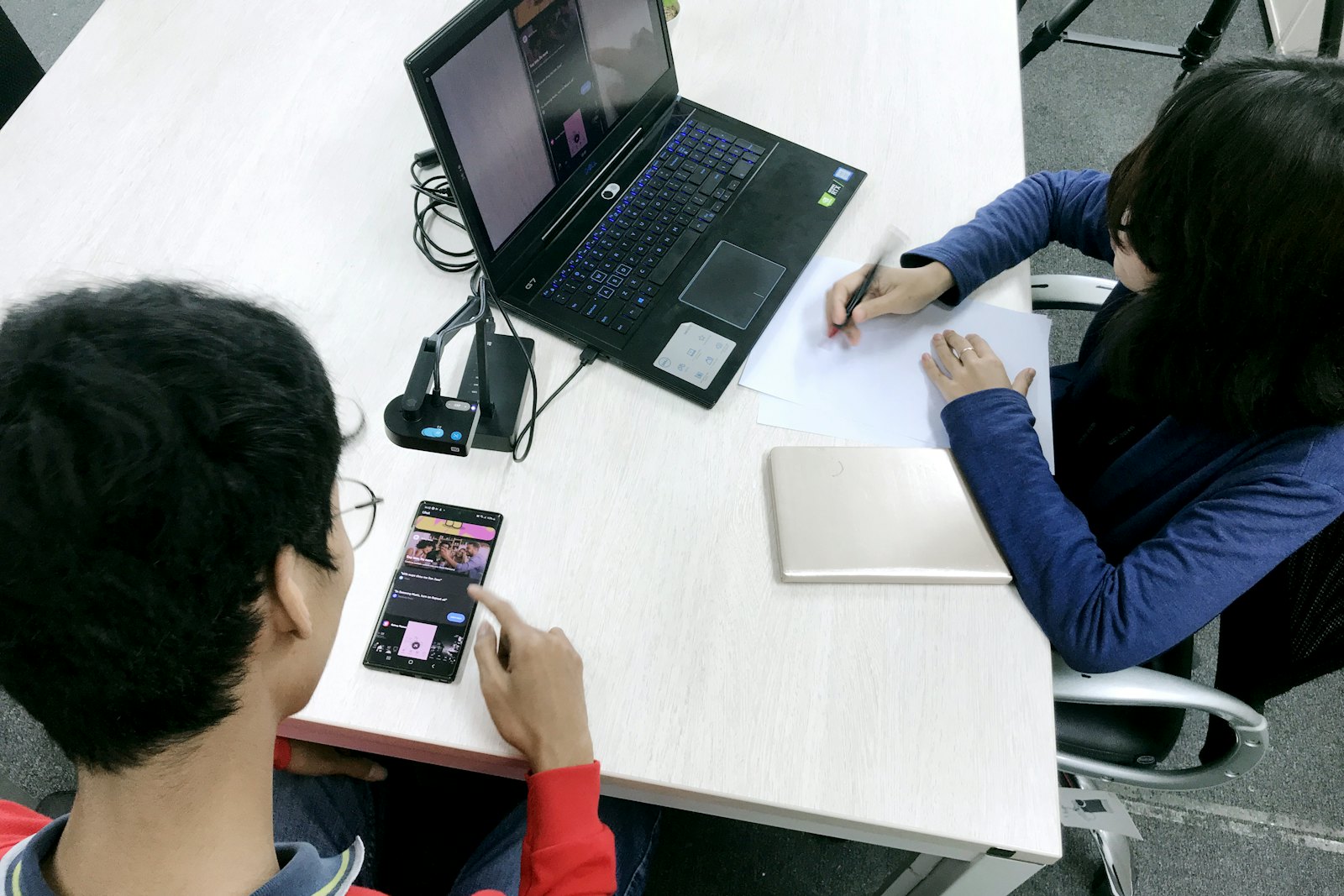
Look at how people complete real tasks across a product. Research, workflow reviews and existing feedback reveal where journeys break, where context gets lost and what people need to move forward.
People, tasks and friction
02 / Shape
Make the journey feel connected
Translate those findings into flows and working prototypes. Organise information, simplify decisions and test important interactions so the experience takes shape around the task, from the first step to the final outcome.
Flows, prototypes and interaction testing
03 / Refine
Build a coherent product language
Bring the tested patterns into a shared design system. Specify components, states and accessibility behaviour, then work with engineering through implementation so each new screen follows the same underlying logic.
Components, accessibility and implementation
People, tasks and brand context reveal the journey that the product needs to support.
Explore → Shape → Refine. Each stage carries its learning into the next.
Those findings shape the user flows and the interactions worth testing first.
01Explore→
02Shape→
03Refine
Designed around the people using it.
Good experiences connect what people need with what an organization can deliver. We shape digital products and service journeys through research, interaction design and careful attention to content. From customer applications to internal tools, the focus is on useful, coherent experiences that work across devices, languages and contexts.
An evidence-based experience brief and prioritized journey map.
↗
02
Make it tangible
Tested prototypes with findings and a record of design changes.
↗
03
Carry the intent
A reviewed experience with current design guidance and open findings.
↗
Inside the engagement
From user context to a coherent product experience
Design develops through observation, working prototypes and implementation dialogue. The aim is to resolve important questions while changes are still easy to make, then carry those decisions into the product.
Explore each stage ↓
01Understand people in contextTake forwardAn evidence-based experience brief and prioritized journey map.
We identify the people using the service, their tasks and the circumstances around them. Research and existing feedback reveal differences between an intended journey and actual behavior, including the needs of people working across languages, devices or accessibility barriers.
The work
User and stakeholder research
Task and journey mapping
Existing experience review
The decision we make together
Select the journeys and user needs that the design must address first.
02Give complexity a clear structureTake forwardA product structure with mapped flows and content requirements.
We organize information, actions and product navigation around how people think about the task. Content and terminology are considered with interaction flows, so the experience explains itself before visual styling begins and supports the way the organization actually delivers the service.
The work
Information architecture
Task flows and content hierarchy
Service handoffs
The decision we make together
Walk through essential tasks and resolve gaps in language or responsibility.
03Prototype the important momentsTake forwardTested prototypes with findings and a record of design changes.
Working prototypes bring the proposed experience into view before full development. We explore the moments that carry the most uncertainty, including complex decisions, empty states and error recovery, then use focused sessions to learn where the design needs to change.
The work
Interactive journey prototypes
Usability sessions
Edge cases and recovery
The decision we make together
Review what users understood, where they struggled and what to refine.
04Build the product languageTake forwardA design system and implementation-ready product designs.
We develop the visual expression alongside reusable components, states and interaction rules. Typography, motion and brand details serve a consistent hierarchy. Responsive behavior, keyboard access and other accessibility requirements become part of the component definition, with the target scope agreed together.
The work
Visual direction and typography
Components and interaction states
Responsive and accessible behavior
The decision we make together
Confirm the visual direction and how shared patterns behave in context.
05Carry the intent into deliveryTake forwardA reviewed experience with current design guidance and open findings.
Design continues as the product is built. We review implemented journeys with engineering, resolve practical constraints and check the details that affect comprehension and usability. New findings feed back into the shared patterns, keeping the product coherent as its scope grows.
The work
Design and engineering reviews
Journey and accessibility checks
Pattern updates and handover
The decision we make together
Assess the implemented journeys against the agreed experience requirements.
Design around the real task
Can people understand what to do and move forward with confidence?
An experience is the full path through a task: the language, decisions, feedback and recovery around every screen. We connect brand intent with that practical journey, giving complex products a clear structure and a recognizable character.
Users hesitate, need help or repeat steps
Products feel inconsistent across devices and touchpoints
A new proposition needs to become a usable experience
Where we focus
01
Research and journey design
Explore user needs, map friction and frame opportunities across digital and human touchpoints.
02
Product and interface design
Develop structures, interactions and visual systems for mobile, desktop and web applications.
03
Design systems and accessibility
Establish reusable patterns and accessible behaviors that support consistency as products evolve.
What you take forward
An experience ready to build.
A tested set of product journeys, interface designs and implementation guidance for the next development phase.
01
Research and journey evidence
Findings that explain user needs, friction and the reasoning behind the selected experience priorities.
02
Flows and working prototypes
A concrete way to evaluate essential tasks, content and interactions before committing to full development.
03
Product designs and shared patterns
Responsive screens, reusable components and state definitions suited to the agreed platforms.
04
Implementation guidance
Design specifications, accessibility considerations and a record of decisions for ongoing delivery.
Technology, with intent
The right foundation. A considered choice.
Design tools help make an idea tangible. Research, platform knowledge and testing determine whether that idea works for the people using it.
01
Prototype the important moments
Turn essential journeys into interactive prototypes so people can try the sequence, language and interaction before implementation. Feedback can then change the design while changes remain inexpensive.
Start with the fidelity needed to test a question. Detailed motion and visual polish become useful once the essential journey holds together.
02
Adapt to the way people interact
Translate a coherent product identity into familiar behaviors for each platform. Touch, keyboard, pointer, window size and device capabilities all influence how an experience should respond.
Share the product's logic and identity while adapting navigation and controls to each context. Consistency includes respecting the platform's expectations.
03
Make inclusion testable
Consider contrast, focus, target sizes, understandable content and assistive technology throughout design. Accessibility criteria make important behaviors explicit enough to review during both design and implementation.
Agree the accessibility target early and test real journeys with relevant assistive tools. A checklist alone cannot represent every person's needs.
The design system, prototype depth and validation plan follow the audience, supported platforms and accessibility needs agreed for the engagement.
Working together
Bring a product, a service or a difficult journey.
We can shape a new proposition or improve an existing experience. Access to representative users helps ground the work; when access is limited, we identify that uncertainty and agree an appropriate way to investigate it.
What we bring into focus
Product intent and brand context
Relevant user access or existing feedback
Platform constraints and current designs
How progress stays visible
Working reviews alternate with research and prototyping. Editable design files, shared assets and implementation involvement are defined in the scope.
Yes. We can extend an established identity into a coherent digital experience. If specific parts of the identity limit readability or consistency, we explain the issue and explore focused adjustments together.
How do you consider accessibility?
We include it in structure, content, interaction and implementation reviews. The relevant standards, user needs and depth of testing are agreed for the project; a visual design alone cannot establish accessibility compliance.
Does this include engineering?
Design can be a focused engagement or part of an integrated product delivery. We agree where design ends, who implements it and how implementation questions and reviews will be handled.
Before turning an idea into a delivery plan, identify the uncertainty that could make the investment worthwhile or unnecessary. The useful discovery result is a better decision, with evidence someone can inspect.
Trustworthy search depends on authoritative sources, clear access rules and a maintained index. Ranking matters, but it cannot settle which version of an answer the organisation should trust.